We’ve had a fantastic 3 and a half years so far and we can’t wait to get started on our next steps….
The Grow project aims to enable farmers to lead the transition to a net-zero food system by equipping them with the necessary skills and knowledge to practise regenerative agriculture and other low-carbon farming practices, such as zero till, integration of livestock, and maximising crop diversity.
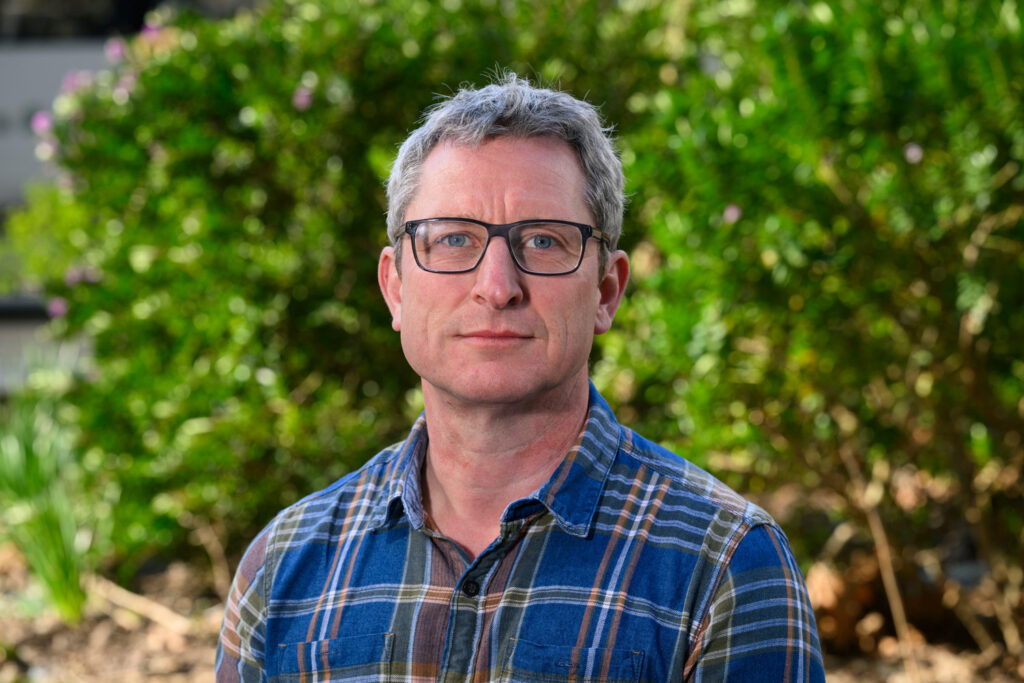
Profile of Andrew Stark, a senior research and policy manager at food transition alliance Eating Better.
Gathering community views to shape a local council food strategy while focusing on culturally-specific food growing have been some of the key wins from a recently completed Scoping Study.
I read all the magazines, the blogs and the science, and I think the AFN Network+ is head and shoulders above everything else.
Three Farm Carbon Toolkit projects have used funding from the AFN Network+ to facilitate vital community engagement and demonstrate potential for scaling up.
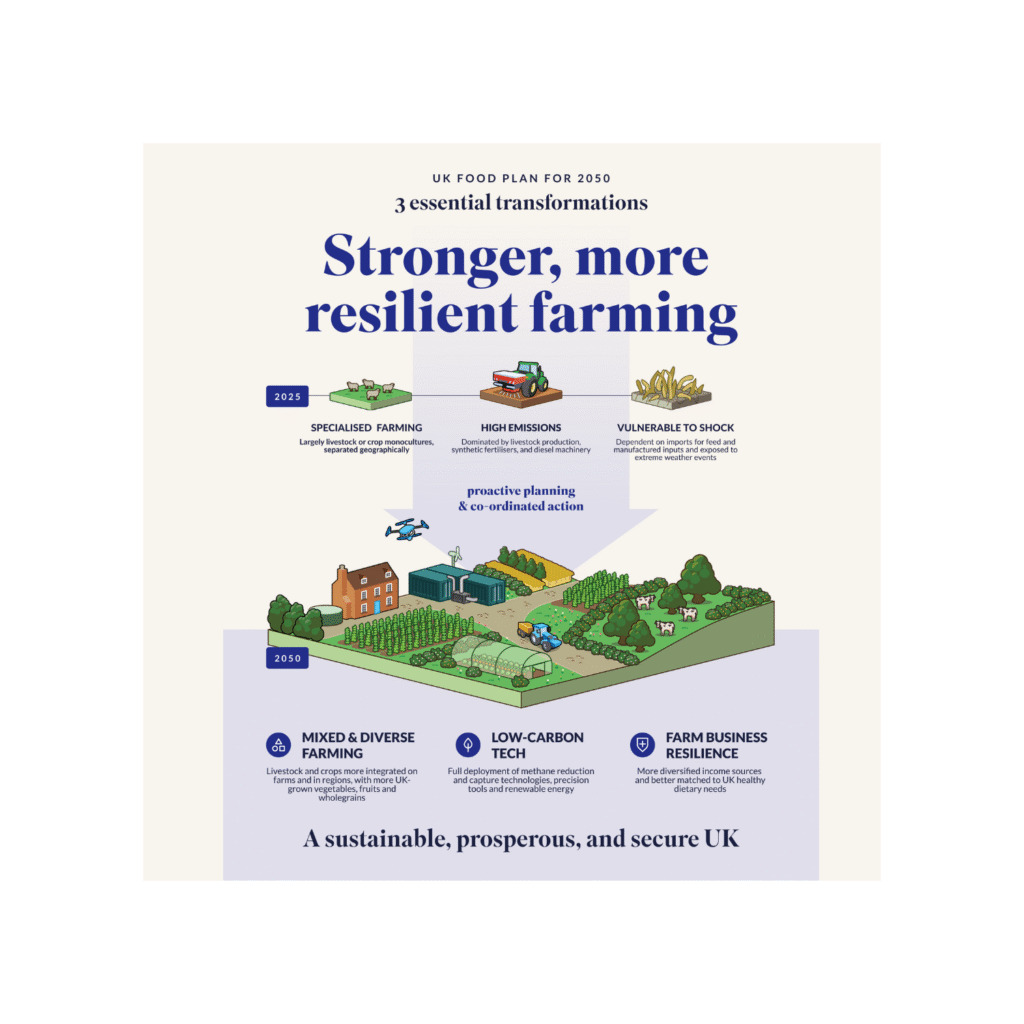
Rapid and urgent action on food is needed if the UK is to reboot its flagging economy, save the NHS billions, ensure national food security, and meet climate commitments, according to this new report.
The Falkland Stewardship Trust project has demonstrated a “clear call for change” that could help expand regenerative farming and food systems with local communities, and across Scotland.
In our latest impact story, we meet Caroline Mason, a sustainability and ESG expert, founder of consultancy Seeds to Thrive and former head of agriculture, fisheries and aquaculture at The Co-op.
Culture Roots Collective, a BPOC (Black and People of Colour) hub to celebrate, inform and engage people in UK food, farming and agriculture, is now live. The hub was developed by partners including the AFN Network+, Sustain and Eating Better.
In the second of our impact stories, we catch up with Kerry Whiteside, Head of Science and Technology at food manufacturer Samworth Brothers
A micro dairy, free range broilers, wildflower seed and an education venue have been put forward as viable options to secure the future of a new agroecological farm.