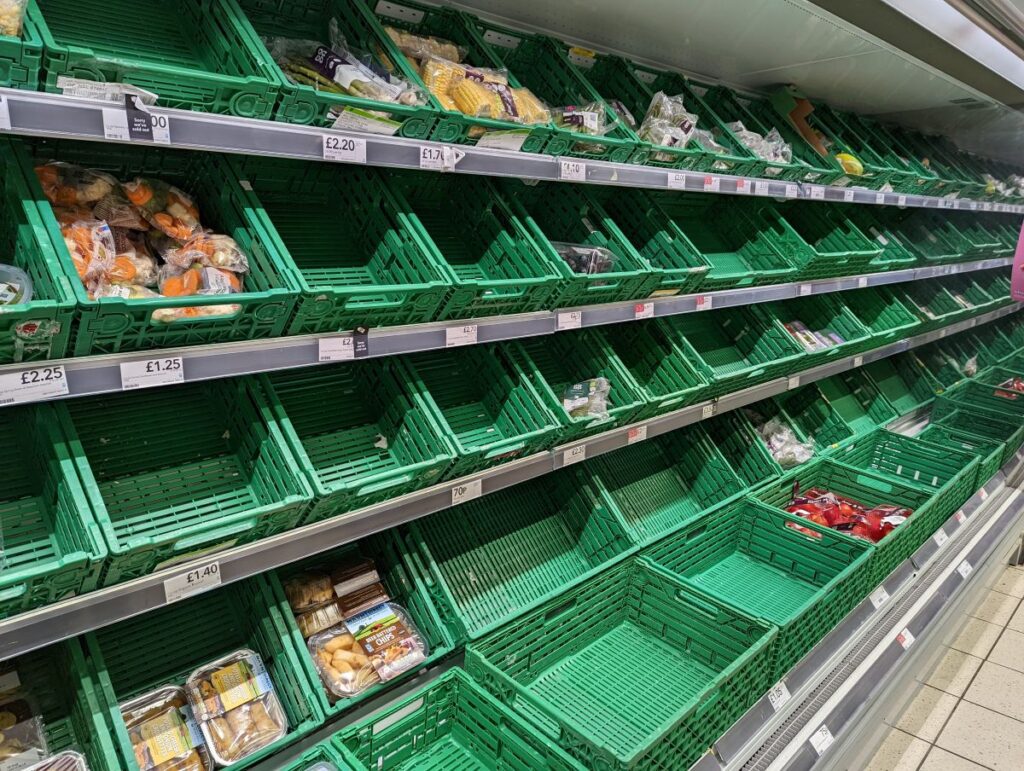
How can we help build the UK’s readiness to avert a food crisis, and what would it actually take?
Save the date for our April Webinar, read about two of our flexfund projects and check out lots of events, opportunities & resources
Climate change, geopolitics and the current economic system are already driving up the cost of food, but by how much, and where are we most exposed?
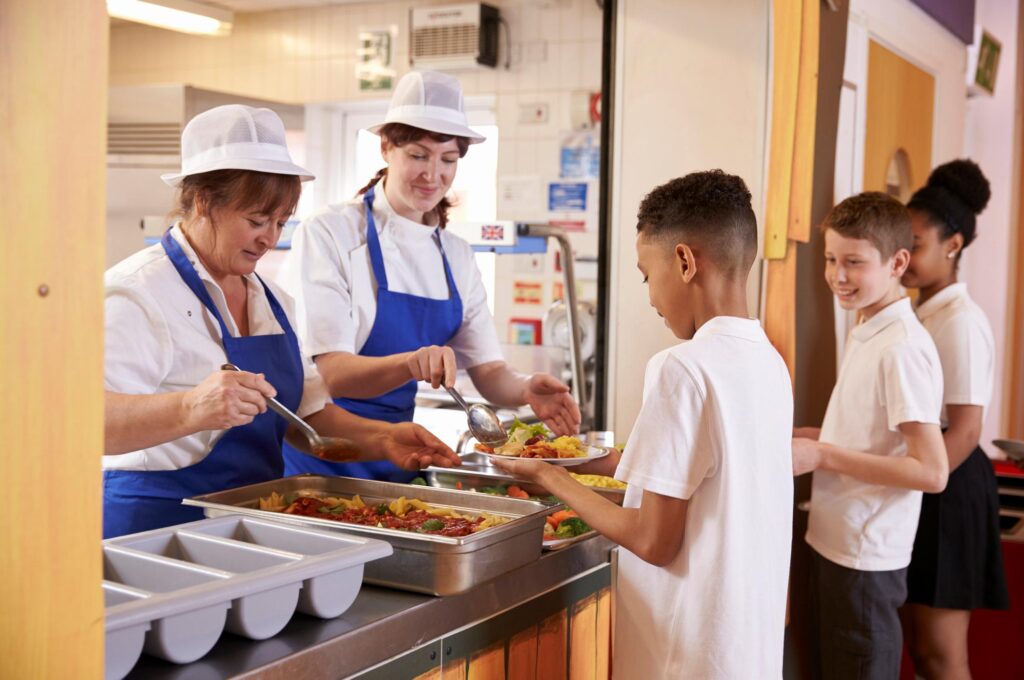
The UK public sector serves millions of meals every day in schools, hospitals and prisons. It should be one of our most powerful tools for food system transformation. So why, after 20 years of research, are the barriers to getting good food onto public plates pretty much the same?
Find out about our latest Webinar, save the date for our networking event ‘Building Partnerships for the National Lottery Climate Action Fund – Food Systems’ + the usual updates and opportunities
Three sessions at the Oxford and Oxford Real Farming Conferences set the scene for 2026 by highlighting the links between health, food, and social issues, and questioning whether policy ambition can translate into delivery
We tell ourselves that food crises happen elsewhere. But a new study, led by AFN’s Sarah Bridle, with contributions from the wider AFN team alongside experts from across policy, business and civil society, has mapped the pathways by which the UK could face serious food system disruption.
This briefing is based on a webinar discussion given to the AFN Network+ community on the 28th November 2025.
In this series of digests, we are sharing a little more about the work of the AFN Champ[ions and what we have learned from them.
Defra has quietly published what should be one of the most significant reports on UK food security in years: a national security assessment of global biodiversity loss and ecosystem collapse – read our Digest of the report…
In the UK, 1 in 20 meals served is paid for by the government — in schools, hospitals, prisons, and care homes. The ‘public plate’ could be a powerful lever for food system transformation, connecting what we buy and serve to public health, climate goals, and local food economies. Yet too often, public food is seen as a cost to minimise rather than an investment in people and place.
The UK Covid-19 Inquiry second report landed just before Christmas — Buried in the detail is something that should concern anyone working on food system transformation: a damning account of why cross-government action on complex problems is so hard to deliver.